
THC vs CBD: The Complete Guide to Differences, Effects & Uses
Jump To Section:
⚠️ Important Disclaimer: This article is for informational purposes only and is not medical advice. Consult a healthcare professional before using cannabis for any medical condition. Cannabis products should only be used by adults 21+ in compliance with New Jersey state law.
If you’ve browsed our Elmwood Park dispensary or explored cannabis products online, you’ve likely encountered the terms THC and CBD everywhere. But what is the difference between THC and CBD, and why does it matter for your cannabis experience? Whether you’re a first-time visitor to Cannavibes or an experienced consumer exploring new options, understanding these two primary cannabinoids is essential for making informed choices that align with your wellness goals and lifestyle.
While both THC and CBD come from the cannabis plant, they offer dramatically different effects, legal statuses, and applications. One produces the characteristic “high” associated with marijuana, while the other offers potential therapeutic benefits without intoxication. Let’s break down everything you need to know about these two fascinating compounds.
What Is THC? The Psychoactive Cannabinoid
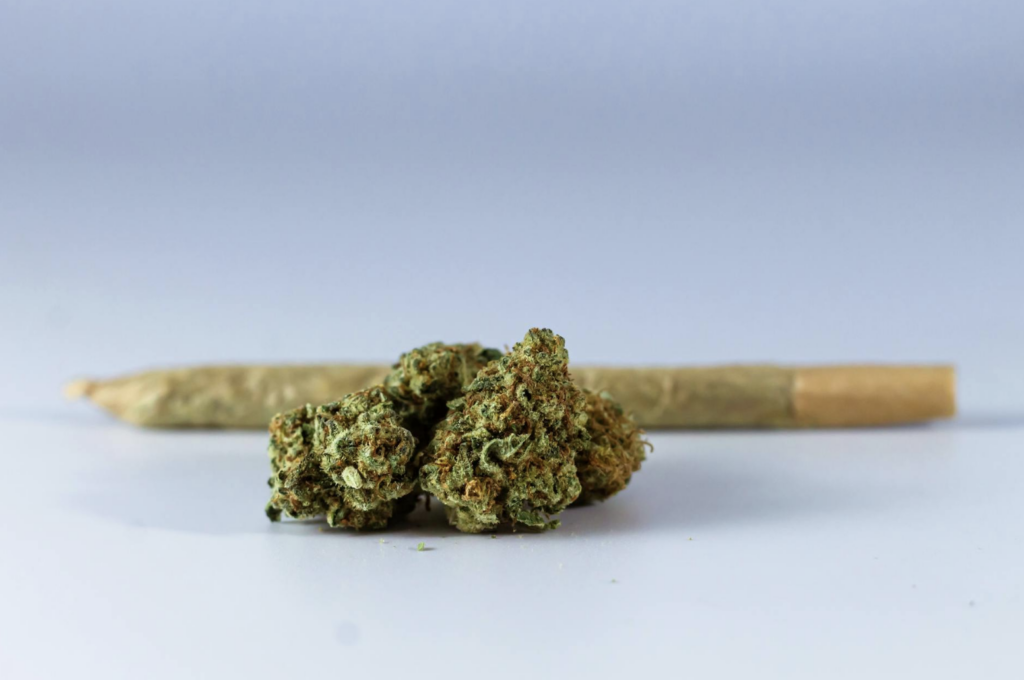
Tetrahydrocannabinol, better known as THC, is the primary psychoactive compound in cannabis that produces the euphoric “high” most people associate with marijuana use. As a CB1 and CB2 receptor partial agonist, THC interacts directly with your body’s endocannabinoid system to create effects ranging from relaxation and euphoria to altered perception and enhanced sensory experiences.
When you consume THC-rich products at our Elmwood Park location, you might experience euphoria and mood elevation, relaxation and stress relief, altered time perception, increased appetite (the “munchies”), enhanced sensory experiences, and potential sedation at higher doses. These effects vary based on the strain, consumption method, individual tolerance, and dosage.
THC potency in cannabis products has increased significantly over the past decades. According to NIDA’s cannabis potency data, average THC concentrations in seized plant material rose from approximately 4% in 1995 to 16.1% in 2022. Today’s legal market products can range from 15-30% THC in flower to 70-90% in concentrates, which is why our budtenders always recommend starting low and going slow, especially for newer consumers in Bergen County.
FDA-Approved THC Products
While recreational THC remains federally controlled, THC analogs like dronabinol are FDA-approved for specific medical conditions including chemotherapy-induced nausea and vomiting as well as AIDS-related anorexia. This demonstrates THC’s legitimate therapeutic value beyond recreational use.
What Is CBD? The Non-Intoxicating Alternative
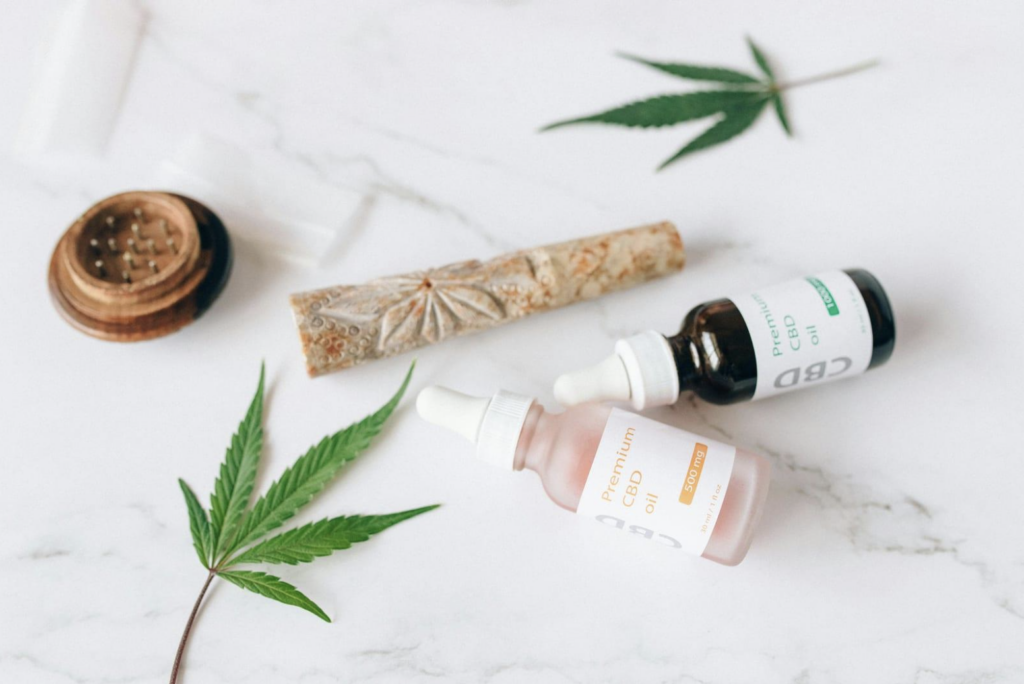
Cannabidiol (CBD) takes an entirely different approach. Unlike its psychoactive cousin, CBD has minimal affinity for CB1 and CB2 receptors and instead works through other pathways in your body, including TRPV and serotonin receptors. This fundamental difference in mechanism explains why CBD doesn’t produce intoxication or impairment.
CBD has gained tremendous popularity among our customers in Elmwood Park, Fair Lawn, and surrounding communities who want potential therapeutic benefits without the high. Many report using CBD for managing everyday stress and anxiety, supporting recovery after exercise, promoting better sleep quality, general wellness and balance, and discomfort relief.
The most compelling clinical evidence for CBD comes from epilepsy treatment. Epidiolex, an FDA-approved CBD medication, effectively reduces seizure frequency in rare forms of epilepsy including Lennox-Gastaut syndrome and Dravet syndrome. This prescription-strength CBD requires monitoring for liver enzyme changes and potential drug interactions, particularly with medications like valproate and clobazam.
Does CBD Get You High? Debunking the Biggest Myth
One of the most common questions we hear at Cannavibes is: “Does CBD get you high?” The straightforward answer is no—CBD is non-intoxicating and will not produce the euphoric or impairing effects associated with THC.
Research confirms this distinction clearly. In a randomized clinical trial published in JAMA, participants who consumed CBD-dominant cannabis showed no significant driving impairment, while those who used THC or THC+CBD combinations experienced measurable impairment for up to four hours. This makes CBD an attractive option for Bergen County residents who need to maintain focus and functionality throughout their day.
That said, full-spectrum CBD products may contain trace amounts of THC (up to 0.3% in hemp-derived products). While this tiny amount won’t cause intoxication for most users, it could potentially appear on sensitive drug tests. Our team can help you navigate these nuances and select products that align with your testing requirements and lifestyle needs.
THC vs CBD Effects: Key Differences You Should Know
Understanding THC vs CBD effects helps you choose the right product for your specific needs. Here’s how these cannabinoids differ in practice:
Psychoactive vs Non-Intoxicating
THC is definitively psychoactive, altering cognition, perception, and mood. CBD produces no intoxication or cognitive impairment at standard doses. This fundamental difference makes CBD suitable for daytime use, while many reserve THC products for evenings or days off.
Impairment and Safety Considerations
THC can impair coordination, reaction time, and decision-making—never drive or operate machinery after consuming THC products. CBD does not produce these impairments, though the FDA still recommends caution when first trying any new cannabinoid product.
Appetite and Energy
THC famously stimulates appetite and can promote sedation, especially in indica-dominant strains or higher doses. CBD typically doesn’t increase hunger and may actually support alertness at lower doses, though some find it promotes relaxation at higher amounts.
Anxiety Effects
This is where things get interesting. Lower doses of THC may reduce anxiety for some users, but higher doses can paradoxically increase anxiety or even trigger panic in susceptible individuals. CBD is generally reported to have calming properties without the risk of heightened anxiety, making it a popular choice among our customers managing daily stress.
THC vs CBD for Pain: What Does the Research Say?
Pain management is one of the top reasons customers visit Cannavibes, and the question of which is better for pain—THC or CBD—deserves an evidence-based answer. According to the latest AHRQ systematic review on cannabis for chronic pain, the research reveals important distinctions.
THC-containing products showed small but meaningful improvements in chronic pain intensity across multiple high-quality studies. The benefit is modest—not a miracle cure—but statistically significant for conditions like neuropathic pain, cancer pain, and general chronic pain syndromes. Common side effects include dizziness and sedation, which require dose adjustments.
Surprisingly, purified CBD alone showed little to no analgesic effect in rigorous clinical trials for chronic pain. While many anecdotal reports suggest CBD helps with discomfort, the current scientific evidence doesn’t strongly support CBD-only products for pain relief. That doesn’t mean CBD has no value—it may support overall wellness and stress management that indirectly affects pain perception—but it’s not the primary analgesic component.
Many of our Elmwood Park customers find success with balanced THC:CBD ratio products (such as 1:1 or 2:1 formulations), which may offer pain relief while potentially moderating some of THC’s psychoactive intensity. Our knowledgeable budtenders can guide you toward products that match your pain management goals and tolerance preferences.
Legal Status: Understanding THC vs CBD Legality
The legal landscape for these cannabinoids remains complex, even in adult-use states like New Jersey. Here’s what you need to know as of April 2026:
THC Legality
In New Jersey, THC-containing marijuana is legal for adults 21+ through licensed dispensaries like Cannavibes. However, THC remains federally controlled. The Department of Justice proposed moving marijuana from Schedule I to Schedule III in May 2024, but as of today, that rescheduling has not been finalized. Even if rescheduling occurs, it won’t federally legalize recreational use—it would primarily affect research access, medical prescribing, and tax treatment for cannabis businesses.
Purchase THC products only from licensed New Jersey dispensaries to ensure legal compliance, quality testing, and consumer safety.
CBD Legality
CBD derived from hemp (containing ≤0.3% THC) exists in a legal gray area. While the 2018 Farm Bill federally legalized hemp cultivation, the FDA maintains that CBD cannot lawfully be added to foods or sold as dietary supplements under current regulations. The FDA has asked Congress for a new regulatory pathway specifically for CBD products.
Despite this ambiguity, hemp-derived CBD products are widely available. Quality and labeling accuracy vary dramatically in the unregulated CBD market, which is why purchasing from reputable, tested sources matters tremendously.
Choosing the Right Product: THC, CBD, or Both?
At Cannavibes, we believe the best choice depends entirely on your individual goals, experience level, and lifestyle. Here’s our practical guidance for Bergen County consumers:
Choose THC-Dominant Products If:
You’re seeking recreational effects, relaxation, or euphoria; you want support for sleep or appetite; you’re managing chronic pain (based on current evidence); you’re experienced with cannabis and comfortable with psychoactive effects; or you’ll be using in a safe setting where impairment is acceptable. Our edibles selection offers precise dosing for controlled THC experiences.
Choose CBD-Dominant Products If:
You need to maintain focus and functionality; you’re new to cannabinoids and want to start gently; you’re sensitive to THC or have experienced anxiety from it; you may face drug testing (choose THC-free isolate products); or you’re seeking general wellness support without intoxication. Browse our CBD tinctures for versatile dosing options.
Consider Balanced THC:CBD Products If:
You want therapeutic benefits with mild psychoactivity; you’re managing pain or inflammation; you find THC too intense on its own; or you’re interested in the “entourage effect” of multiple cannabinoids working together. Balanced ratio products represent a popular middle ground for many customers.
Many of our premium cannabinoid-rich strains come from Illicit Gardens, whose carefully cultivated genetics are available at Cannavibes. These strains offer diverse cannabinoid and terpene profiles to match various therapeutic and recreational goals.
Our extended hours—we’re open till 10 PM—make it convenient for you to stop by after work and speak with our budtenders about finding your ideal cannabinoid profile. Whether you’re visiting from Elmwood Park, Saddle Brook, Garfield, or anywhere in Bergen County, we’re here to provide personalized recommendations.
Quality Matters: What to Look for in THC and CBD Products
Whether you’re purchasing THC or CBD products, quality and testing should be non-negotiable. Research from Johns Hopkins found widespread mislabeling of CBD content in over-the-counter products, with some containing significantly more or less CBD than advertised—and some containing unlabeled THC.
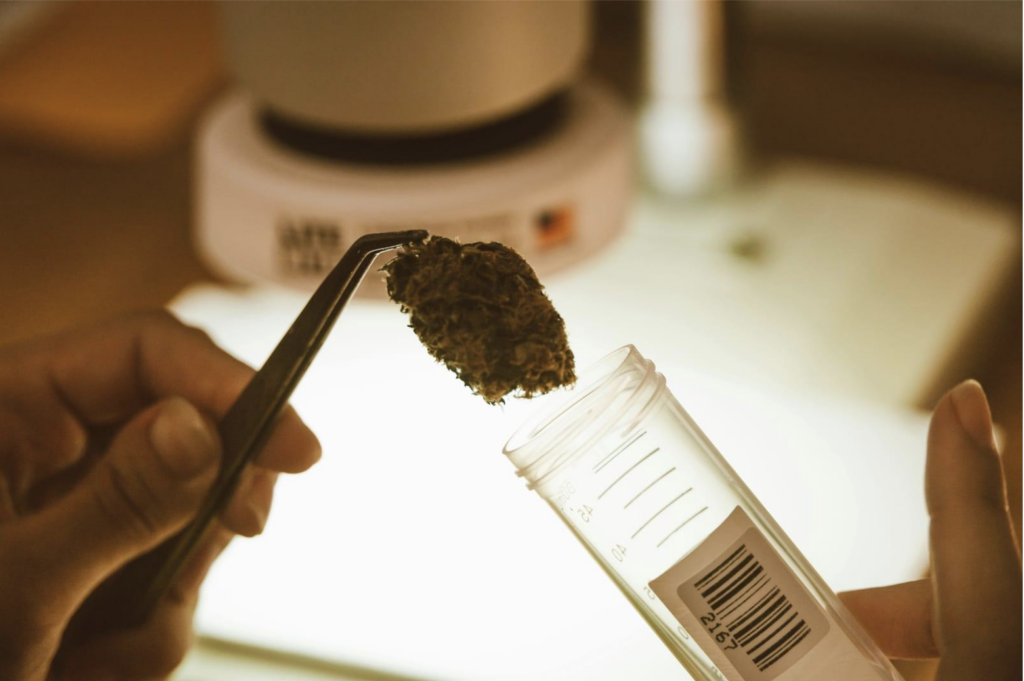
At Cannavibes, every product we carry undergoes rigorous third-party laboratory testing for cannabinoid potency (verified THC, CBD, and minor cannabinoid percentages), terpene profiles (the aromatic compounds that influence effects and flavor), contaminant screening (testing for pesticides, heavy metals, residual solvents, and microbials), and batch-to-batch consistency to ensure quality control.
We provide Certificates of Analysis (COAs) for our products, giving you transparent insight into exactly what you’re consuming. This commitment to quality and safety sets licensed New Jersey dispensaries apart from unregulated markets and unlicensed retailers.
Frequently Asked Questions About THC and CBD
Does CBD get you high?
No, CBD does not produce intoxication or a “high.” Unlike THC, CBD has minimal interaction with CB1 receptors in the brain and does not cause euphoria, impairment, or psychoactive effects. Research confirms that CBD-dominant cannabis does not significantly impair driving or cognitive function, making it suitable for daytime use when you need to maintain focus and functionality.
Is CBD legal in New Jersey?
CBD derived from hemp (containing 0.3% THC or less) exists in a regulatory gray area. While the 2018 Farm Bill federally legalized hemp cultivation, the FDA maintains that CBD cannot lawfully be marketed as a dietary supplement or added to conventional foods under current regulations. Despite this ambiguity, hemp-derived CBD products are widely available in New Jersey. For guaranteed quality, legality, and safety, purchase CBD from licensed dispensaries that provide third-party testing and Certificates of Analysis.
Can you fail a drug test from CBD?
It depends on the type of CBD product. Pure CBD isolate products should not cause positive drug test results, as they contain only CBD with no THC. However, full-spectrum CBD products may contain trace amounts of THC (up to 0.3% legally), which could potentially accumulate with regular use and trigger a positive result on sensitive drug tests. If you face workplace drug testing, choose THC-free CBD isolate products and request Certificates of Analysis to verify cannabinoid content.
Can you take THC and CBD together?
Yes, THC and CBD can be safely consumed together, and many users find that combining them offers benefits. CBD may help moderate some of THC’s psychoactive intensity and reduce potential anxiety associated with higher THC doses. Balanced ratio products (such as 1:1 THC:CBD) are popular for pain management and therapeutic use, offering the analgesic benefits of THC while maintaining better functionality than high-THC products alone. Start with low doses of both cannabinoids and adjust based on your individual response.
Start Your Cannabinoid Journey at Cannavibes
Understanding the difference between THC and CBD empowers you to make informed decisions that align with your wellness goals, lifestyle, and preferences. THC offers psychoactive effects with evidence-backed benefits for certain conditions like chronic pain, while CBD provides a non-intoxicating alternative for those seeking potential therapeutic benefits without impairment.
There’s no universal “better” choice—only the right choice for you, your needs, and your circumstances. Some of our Bergen County customers exclusively use high-THC flower for evening relaxation, others prefer CBD tinctures for daytime wellness support, and many find balanced ratio products offer the best of both worlds.
At Cannavibes, we’re more than just a dispensary—we’re your educational partner and trusted neighbor in Elmwood Park. Our knowledgeable team stays current on the latest research, product innovations, and best practices to guide you toward safe, effective cannabis experiences. Browse our online menu to explore our selection of tested, high-quality THC and CBD products, then visit us to discuss your specific needs with our expert budtenders.
Whether you’re a cannabis newcomer curious about CBD or an experienced consumer exploring new THC strains and concentrates, we’re here to welcome you with personalized service, extended hours, and a genuine commitment to your satisfaction. Stop by our Elmwood Park location today and discover the Cannavibes difference—where quality, education, and community come together.
Visit Cannavibes at our convenient Elmwood Park location, serving all of Bergen County with extended hours until 10 PM. Check our online menu, join our rewards program, and experience the welcoming, educational approach that makes us your trusted cannabis destination.