
Indica vs Sativa: What Bergen County Cannabis Shoppers Need to Know
Jump To Section:
The Traditional Indica vs Sativa Story (And Why It’s Incomplete)
What Science Reveals About Indica vs Sativa Effects
Understanding Cannabis Chemovars: A Smarter Framework
How to Choose Cannabis Products the Right Way
What This Means for Bergen County Cannabis Consumers
How Cannavibes Helps You Navigate Beyond Indica vs Sativa
If you’ve ever stood in a dispensary trying to decide between indica, sativa, or hybrid, you’re not alone. It’s probably the most common question our budtenders hear at Cannavibes: “Which one will help me sleep?” or “Will sativa make me too anxious?” For years, the cannabis industry has used these categories as shorthand—indica for relaxation, sativa for energy, hybrid for somewhere in between. But here’s the truth that might surprise you: recent scientific research shows these labels don’t reliably predict how a product will make you feel.
At our Elmwood Park dispensary, we’re committed to helping customers in Bergen County and beyond make truly informed decisions about their cannabis. That means moving past oversimplified categories and understanding what actually determines your experience: the plant’s chemical makeup. Let’s break down the indica vs sativa myth and explore a smarter, more scientific approach to choosing cannabis products.
The Traditional Indica vs Sativa Story (And Why It’s Incomplete)
The difference between indica and sativa has been taught as cannabis gospel for decades. Traditional wisdom says indica strains produce sedating, body-focused effects—perfect for nighttime relaxation and sleep. Sativa strains supposedly deliver energizing, cerebral highs that spark creativity and social engagement. Hybrids? They’re meant to offer a balanced combination of both.
This framework gave early cannabis consumers a simple decision tree. Feeling anxious and need help winding down? Reach for an indica. Planning a creative project or social gathering? Grab a sativa. It’s clean, memorable, and has shaped how dispensaries organize their menus for years.
The problem? A comprehensive 2022 study analyzing over 90,000 cannabis samples found that indica, sativa, and hybrid labels do not consistently align with the plant’s actual chemical composition. The effects you experience from cannabis aren’t determined by whether the plant has broad or narrow leaves—they’re determined by cannabinoids and terpenes, the chemical compounds inside.
What Science Reveals About Indica vs Sativa Effects
Cannabis researcher Dr. Ethan Russo has been outspoken about this issue for years. In fact, he’s called the common application of indica vs sativa to predict psychoactive effects “nonsense,” emphasizing that plant appearance can’t tell you about biochemical content or user experience.
Modern genomic research backs this up. Scientists examining hundreds of cannabis samples on a genome-wide scale found that products labeled “indica” and “sativa” are genetically indistinguishable for the most part. Any subtle differences relate to terpene-producing genes, not some fundamental sativa-versus-indica divide.
Even more telling, the same strain name can produce wildly different effects depending on who grew it, when it was harvested, and how it was processed. Two “Blue Dream” products might have completely different cannabinoid ratios and terpene profiles—which means completely different experiences for you.

Understanding Cannabis Chemovars: A Smarter Framework
So if indica vs sativa vs hybrid doesn’t work, what should you use instead? Welcome to the world of cannabis chemovars—a classification system based on what actually matters: chemistry.
What is a cannabis chemovar? It’s simply a way to categorize cannabis by its chemical phenotype—the measurable cannabinoids (like THC and CBD) and terpenes (aromatic compounds) it contains. This approach is reproducible, informative, and far more predictive of your actual experience.
Here’s what to focus on when evaluating any cannabis product:
Cannabinoid Ratios That Matter
- THC percentage: The primary intoxicating compound; higher percentages generally mean stronger psychoactive effects
- CBD content: Non-intoxicating cannabinoid that may moderate THC’s effects and provide its own benefits
- THC:CBD ratio: Products with balanced ratios (1:1, 2:1) often feel different than THC-dominant options
- Minor cannabinoids: CBG, CBN, and others contribute to overall effects in ways we’re still learning about
Terpene Profiles: The Secret to Effects
If cannabinoids are the engine of your cannabis experience, terpenes are the steering wheel. These aromatic compounds give cannabis its distinctive smells—pine, citrus, pepper, lavender—but they do much more than that.
Research into the entourage effect cannabis produces suggests terpenes work synergistically with cannabinoids to shape your experience. While scientific evidence for a strong entourage effect remains mixed, what’s clear is that products with different terpene profiles feel noticeably different, even at similar THC levels.
Common terpenes and their potential associations:
- Myrcene: Earthy, musky aroma; often found in products people describe as relaxing
- Limonene: Citrus scent; associated with uplifting, mood-enhancing experiences
- Caryophyllene: Peppery, spicy notes; may contribute to calming effects
- Pinene: Fresh pine aroma; linked to alertness and focus
- Linalool: Floral, lavender-like; commonly found in products marketed for relaxation
- Terpinolene: Complex herbal scent; effects vary widely by individual
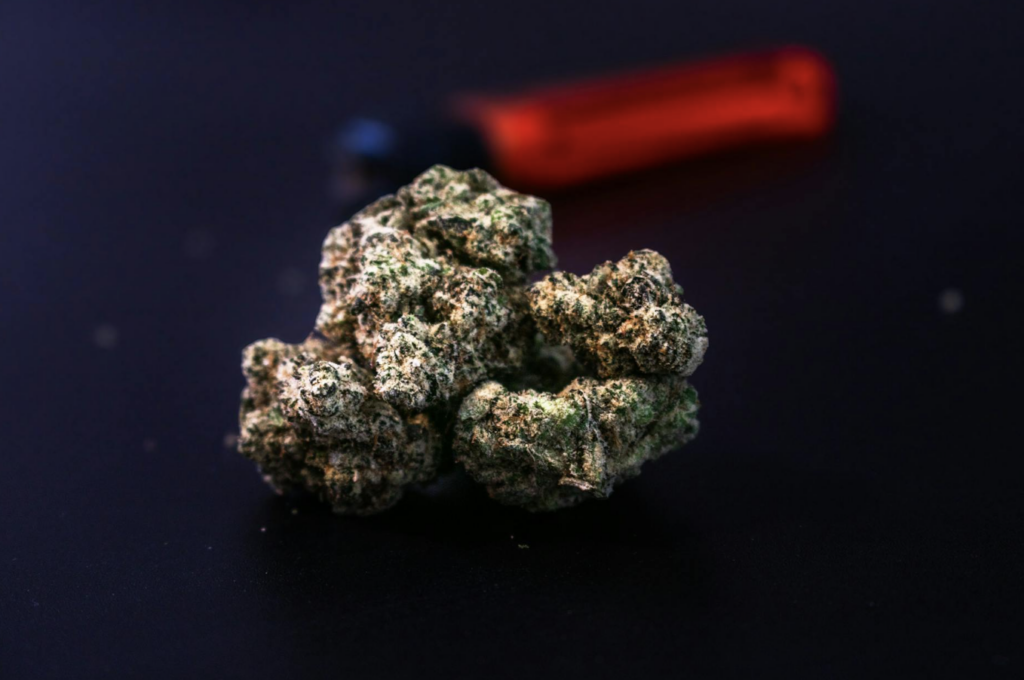
The 90,000-sample study identified recurring terpene-dominant groupings—like caryophyllene+limonene or myrcene+pinene—that cluster together more meaningfully than indica, sativa, or hybrid labels ever could.
How to Choose Cannabis Products the Right Way
Understanding cannabis labels is your superpower as a consumer. Instead of asking “does indica or sativa make you sleepy,” here’s how to shop cannabis by terpenes and cannabinoids for more predictable results:
Step 1: Check the Certificate of Analysis (COA)
Every cannabis product sold in New Jersey should have a corresponding COA from independent lab testing. This document shows exactly what’s in your product—total cannabinoids, THC and CBD levels, terpene profile, and safety testing for contaminants.
At Cannavibes, we make COAs readily available because we believe in transparency. Don’t be shy about asking to see one. It’s worth noting that some research has documented inflated THC potency on retail labels versus independent measurements, which makes verified COAs even more important.
Step 2: Identify Your Desired Cannabinoid Ratio
Starting your cannabis journey or looking for best cannabis for sleep? Consider these profiles:
- High THC (20%+), low CBD: Strong psychoactive effects; experienced users only
- Moderate THC (10-20%), low CBD: Noticeable effects without overwhelming intensity; good for regular users
- Balanced THC:CBD (1:1 or 2:1): Milder psychoactive experience; excellent for newcomers or daytime use
- Low THC, high CBD: Minimal intoxication; chosen for potential wellness benefits
Step 3: Match Terpenes to Your Goals
Looking for relaxation? Products dominant in myrcene, linalool, or caryophyllene might suit you better than indica vs sativa labels. Want something more energizing? Look for limonene or pinene-forward profiles.
Our budtenders at Cannavibes can walk you through the terpene profiles of products in stock, helping you find options that align with your specific needs—whether you’re coming from Fair Lawn, Garfield, or anywhere else in Bergen County.
Step 4: Start Low, Go Slow
Regardless of the product’s chemical profile, public health guidance consistently recommends starting with low doses and increasing gradually. This is especially critical with edibles, which can take 45-120 minutes to take effect and last much longer than inhaled cannabis.
Cannabis Packaging Regulations Are Catching Up to Science
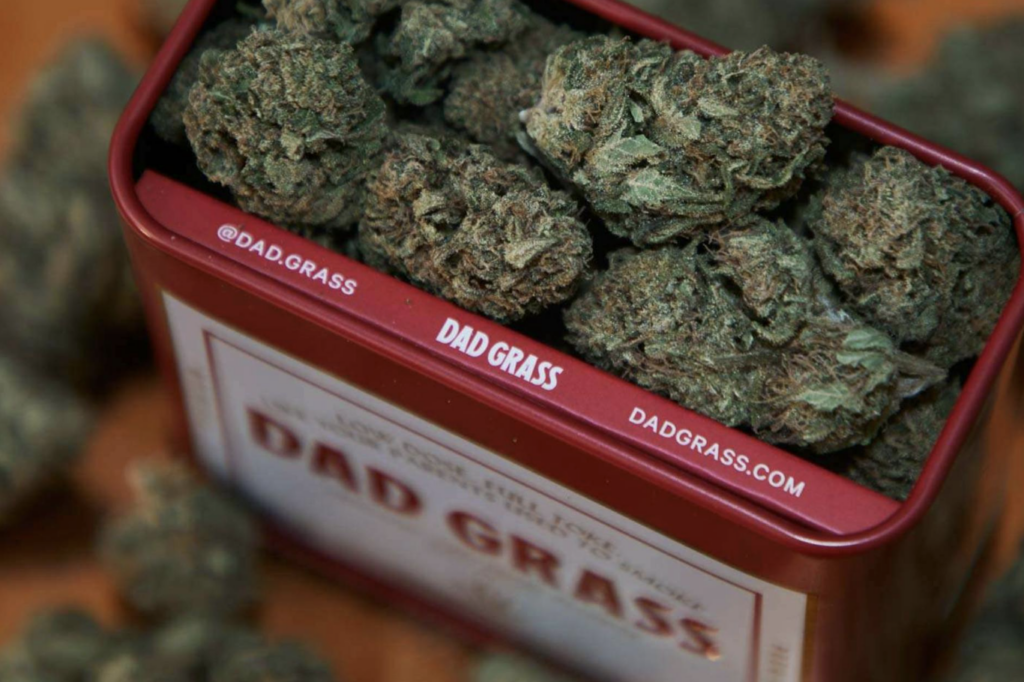
The cannabis industry is slowly evolving beyond the indica vs sativa myth. In 2024, Missouri’s Division of Cannabis Regulation restricted the use of “Indica,” “Sativa,” and “Hybrid” on marijuana product packaging, pushing the industry toward clearer, chemistry-based communication.
Meanwhile, ASTM International’s cannabis committee has published ASTM cannabis labeling standards (D8449-23) that support ingredient transparency, including terpene disclosure. These ASTM cannabis labeling standards represent an important step toward harmonizing how products are presented across different states.
While New Jersey hasn’t banned indica/sativa language on packaging, the trend is clear: the future of cannabis retail is chemovar-focused, chemistry-forward, and centered on giving you the information that actually matters.
What This Means for Bergen County Cannabis Consumers
If you’re shopping for cannabis in Elmwood Park, Paterson, Hackensack, or anywhere in northern New Jersey, this science-based approach empowers you to make better choices. Instead of relying on outdated categories, you can:
- Ask informed questions about cannabinoid ratios and dominant terpenes
- Request to see COAs for products you’re considering
- Track what chemical profiles work best for your individual needs
- Avoid the frustration of trying an “indica” that doesn’t help you sleep or a “sativa” that makes you anxious
- Have more productive conversations with budtenders who can guide you toward specific chemovars
The beauty of New Jersey’s regulated cannabis market is that you have access to tested, labeled products with verified chemistry. Use that advantage!
How Cannavibes Helps You Navigate Beyond Indica vs Sativa
At Cannavibes, we’ve always believed that education creates better experiences. That’s why our team goes beyond simple indica vs sativa effects explanations. When you visit our Elmwood Park location, you’ll find:
Chemistry-focused consultations: Our budtenders are trained to discuss cannabinoid ratios, terpene profiles, and how different chemovars might suit your needs—not just hand you whatever’s labeled “indica.”
Transparent product information: We provide clear access to COAs and detailed product specifications so you can understand exactly what you’re purchasing.
Diverse product selection: From high-THC flower to balanced CBD:THC tinctures, concentrates rich in specific terpenes, and carefully crafted edibles, our inventory reflects the true diversity of cannabis chemistry.
Extended hours for in-depth conversations: As a dispensary open till 10, we ensure you have time for thorough consultations even if you can’t make it in during traditional business hours. Working late in Rochelle Park or Saddle Brook? Stop by on your way home for personalized guidance.
Ongoing education: Through our blog, in-store events, and one-on-one conversations, we’re committed to helping our community understand the evolving science of cannabis.
Your New Approach to Choosing Cannabis Products
The indica vs sativa framework isn’t completely useless—it’s just incomplete. Think of it as training wheels that helped an emerging industry communicate with consumers, but now it’s time to ride without them.
Here’s your new mental checklist when how to choose cannabis products:
- What cannabinoid ratio am I looking for? (High THC? Balanced? CBD-rich?)
- Which terpene profiles have worked well for me in the past?
- Can I review the COA for this specific batch?
- What’s an appropriate starting dose given my experience level?
- How does this product’s chemistry align with my goals?
This approach respects your individual biochemistry and preferences rather than forcing you into broad, scientifically questionable categories.
The Bottom Line for New Jersey Cannabis Shoppers
The indica vs sativa myth persists because it’s simple and familiar, but you deserve better information. Cannabis science has advanced dramatically, and researchers now recommend classifying cannabis by chemical phenotype rather than traditional categories.
Understanding cannabis labels—really understanding them, down to the cannabinoid percentages and terpene profiles—puts you in control of your experience. Whether you’re managing sleep issues, seeking creative inspiration, looking for relaxation after a long day, or exploring cannabis for the first time, chemistry-based selection gives you a reliable roadmap.
At Cannavibes, we’re here to guide you through this transition. Our Elmwood Park dispensary serves customers throughout Bergen County with a commitment to education, quality, and individualized service that goes far beyond “indica or sativa?”
Ready to experience cannabis shopping based on science, not myths? Visit Cannavibes in Elmwood Park, NJ, where our knowledgeable team is ready to help you discover products matched to your unique chemistry and goals. Browse our online menu to explore cannabinoid ratios and terpene profiles, or stop by—we’re open late to accommodate your schedule. Join our rewards program and become part of a community that values informed choices and exceptional experiences.
Because when you understand what’s really in your cannabis, you can find what really works for you.