DEBIT TERMINALS ARE BACK ONLINE! PLUS, WE ARE NOW ACCEPTING CREDIT CARDS.

Search

Best Cannabis Strains for Anxiety, Sleep & Pain Relief in 2026

Best Cannabis Strains for Anxiety, Sleep & Pain Relief in 2026

⚠️ Important Disclaimer: This article is for informational and educational purposes only and is not medical advice. Cannabis is not approved by the FDA to treat any condition. Consult a licensed healthcare professional before using cannabis for any medical purpose.

If you’ve ever stood in a dispensary feeling overwhelmed by the hundreds of strain names and product options, you’re not alone. Whether you’re managing chronic pain, struggling with sleep, or dealing with anxiety, finding the right cannabis product can feel like navigating a maze. The good news? The science of cannabis is evolving, and we’re here to guide you through what actually works—beyond the hype and strain names you might have heard.

At Cannavibes in Elmwood Park, we serve customers from across Bergen County who come to us with one common question: “What’s the best strain for my specific needs?” The answer isn’t as simple as recommending a single strain name, but it’s far more empowering. In this guide, we’ll walk you through the real factors that determine how cannabis may help with anxiety, sleep, and pain—and how to choose products based on verified chemistry rather than marketing labels.

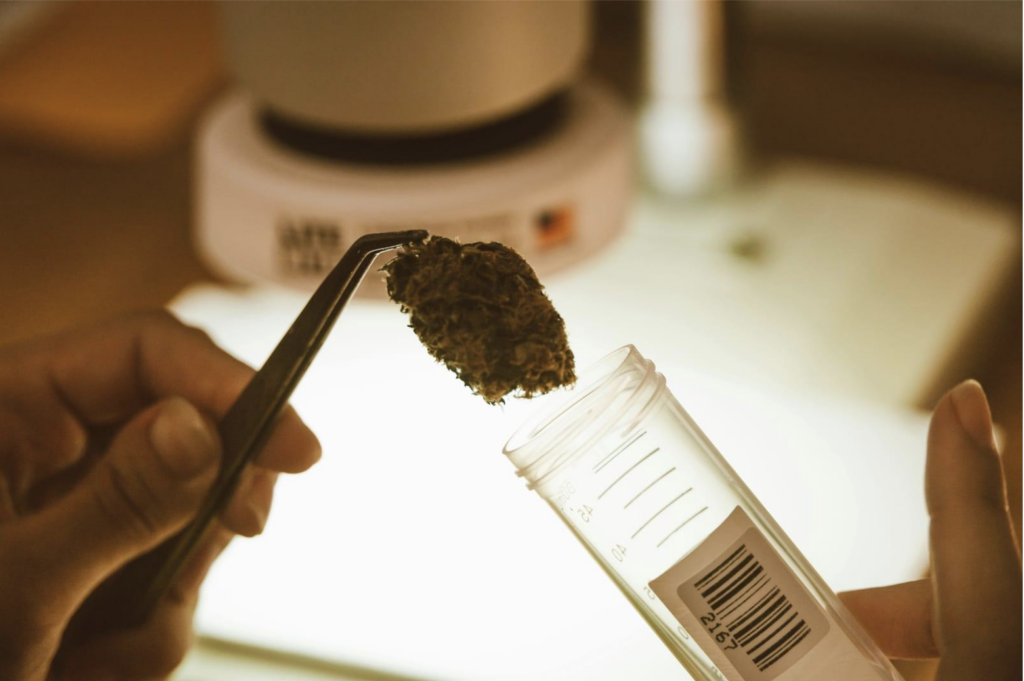
Cannabis in test tube
Choosing the Right Product: THC, CBD, or Both?

Why Strain Names Don’t Tell the Whole Story

Here’s something that might surprise you: research analyzing tens of thousands of cannabis samples has found that popular strain names and indica/sativa labels often fail to predict the actual chemical composition of your product. Two products labeled “Granddaddy Purple” from different growers can have completely different cannabinoid and terpene profiles—meaning they’ll produce different effects.

This is where the concept of chemovars comes in. Instead of relying on strain names, modern cannabis science focuses on the specific chemical makeup of each product: the ratio of THC to CBD, the dominant terpenes present, and other cannabinoids. This chemovar approach is what we emphasize at Cannavibes, and it’s the key to finding cannabis products that consistently deliver the results you’re looking for.

According to recent data on medical cannabis use, chronic pain accounts for 48.4% of medical registrations, anxiety for 14.2%, and sleep-related issues are among the top reasons people turn to cannabis. Let’s break down what research suggests may work for each of these common concerns.


Best Cannabis Products for Anxiety Relief

When it comes to managing anxiety, the THC-to-CBD ratio is absolutely critical. While many people assume high-THC products are always best, the CDC notes that cannabis can actually provoke anxiety and paranoia in some users—particularly when THC levels are too high for an individual’s tolerance.

What to Look For: CBD-Dominant or Balanced Ratios

For daytime anxiety management without impairment, we recommend starting with CBD-dominant products or balanced THC:CBD ratios. At Cannavibes, we carry premium 1:1 tinctures and CBD-dominant edibles specifically selected for customers seeking anxiety support. Products like Wana’s 1:1 gummies provide consistent, measured dosing that makes it easy to find your ideal ratio.

Calming Terpenes for Anxiety

Beyond cannabinoid ratios, specific terpenes play a crucial role in promoting calm. Look for products rich in:

Linalool: The same terpene found in lavender, known for its calming, stress-reducing properties. Many customers report this terpene helps create a sense of relaxation without sedation.

Beta-caryophyllene: Interacts with your body’s CB2 receptors and may help reduce stress response without intoxication. This spicy, peppery terpene is unique among terpenes for its direct cannabinoid receptor activity.

Limonene: Citrus-scented terpene associated with elevated mood and stress management. Research suggests it may help support a positive mental state.

When you visit Cannavibes, our budtenders can show you the Certificate of Analysis (COA) for any product, where you’ll find the exact terpene profile. This transparency helps you make informed choices rather than guessing based on a strain name.

Nighstand with pills.

Best Cannabis for Sleep and Insomnia

If you’re among the many Bergen County residents who struggle with falling asleep or staying asleep, cannabis may offer support—but product selection matters enormously. Clinical trials on medicinal cannabis for insomnia have shown that combinations of THC and CBD may significantly improve sleep quality and reduce the time it takes to fall asleep.

The Sleep-Friendly Formula: Low-to-Moderate THC with CBD

The most commonly reported effective approach for sleep combines moderate THC with CBD, and potentially minor cannabinoids. Here’s what many users find helpful:

CannabinoidSuggested Dose RangePurposeTHC5-15mgMay help initiate sleep and reduce nighttime wakingCBD5-15mg (equal or slightly lower than THC)Balances THC’s effects and may support sleep architectureCBN2-10mg (optional)While recent research shows CBN alone may not significantly improve sleep, some users report benefits when combined with THC and CBD

Browse our selection of sleep-oriented edibles and CBN gummies at Cannavibes, where you’ll find formulations specifically designed with these ratios in mind.

Terpenes That Promote Sleep

For nighttime use, seek out products with sedating terpenes:

Myrcene: The most common sedating terpene in cannabis, associated with the relaxing “couch-lock” effect. This earthy, musky terpene is found in high concentrations in many indica-leaning chemovars.

Linalool: Promotes relaxation and may support improved sleep quality. Its floral, lavender-like aroma is well-documented in aromatherapy research for calming effects.

Terpinolene: Despite being less sedating than myrcene, it appears in many sleep-promoting chemovars and contributes to overall relaxation.

Best Product Formats for Sleep

We typically recommend non-inhaled products for sleep because they provide longer-lasting effects. Here’s what works best for different needs:

Tinctures and oils: Onset in 30-90 minutes, effects last 4-6 hours. Place under the tongue for faster absorption.

Edibles (gummies, chocolates): Onset in 60-120 minutes, effects last 6-8 hours. Take 1-2 hours before bedtime for optimal results. Incredibles and Wana both offer excellent sleep-specific formulations available at our Elmwood Park location.

Capsules: Precise dosing, predictable effects, ideal for consistent nightly use. Perfect for those who want a no-fuss, pharmaceutical-style approach.

Pro tip from our Elmwood Park team: Start with a low dose (2.5-5mg THC) about 90 minutes before bed, and adjust gradually based on results. Keep a sleep journal to track what works best for your individual needs.


Best Weed Strains for Chronic Pain Relief

Chronic pain is the number one reason people explore medical cannabis, and the research supports its potential. A comprehensive BMJ systematic review found that non-inhaled medical cannabis and cannabinoids may produce small but meaningful improvements in pain, physical function, and sleep quality for people living with chronic pain.

The Pain-Relief Sweet Spot: Balanced THC:CBD Ratios

For chronic pain management, whether you’re dealing with arthritis, nerve pain, or inflammation, balanced formulations tend to be most commonly reported as effective. Here’s what the research and customer feedback suggest:

THC:CBD RatioCharacteristicsBest Use Case1:1 THC:CBDGold standard for pain supportCombines THC’s analgesic potential with CBD’s anti-inflammatory properties2:1 THC:CBDSlightly more psychoactiveBeneficial for pain that disrupts sleep1:2 or 1:3 THC:CBDHigher CBD ratiosDaytime pain management with minimal impairment

Terpenes for Pain and Inflammation

Certain terpenes have demonstrated potential analgesic and anti-inflammatory properties in research:

Beta-caryophyllene: The only terpene that directly activates cannabinoid receptors. Studies suggest anti-inflammatory effects that may complement cannabinoid-based pain support.

Myrcene: May enhance cannabinoid absorption and has been associated with muscle-relaxant properties. This is why many pain-relief chemovars are myrcene-dominant.

Pinene: Research indicates anti-inflammatory properties that may complement cannabinoid pain relief. This fresh, pine-scented terpene also appears in many sought-after cultivars.

Featured Strains: Illicit Gardens at Cannavibes

At Cannavibes, we’re proud to carry premium flower from Illicit Gardens, cultivated with exceptional care for quality and consistency. For pain management, customers frequently report positive experiences with:

GMO Cookies: A caryophyllene-dominant chemovar with balanced effects that many find supportive for both pain and stress. The savory, garlicky terpene profile is distinctive and potent.

Franken Pie: Rich in myrcene and caryophyllene, this cultivar offers the relaxing, full-body effects that pain management seekers often prefer for evening use.

These premium cultivars represent the chemovar approach in action—selected not just for their strain lineage, but for their verified chemical profiles that align with pain-relief goals.

Product Recommendations for Different Pain Types

For localized pain (joints, muscles): Topicals and creams with balanced THC:CBD provide targeted support without psychoactive effects. Apply directly to the affected area for localized relief.

For systemic pain (fibromyalgia, neuropathy): Tinctures, capsules, or edibles deliver full-body support. Non-inhaled products provide longer-lasting effects—typically 4-8 hours.

For breakthrough pain: Vaporizers offer rapid onset (5-15 minutes) for acute pain flares, though effects are shorter-lived (2-4 hours). This method allows for quick titration and response.

Important note: Clinical guidelines recommend considering cannabis for chronic pain only after standard therapies haven’t provided sufficient relief, and always in consultation with your healthcare provider.

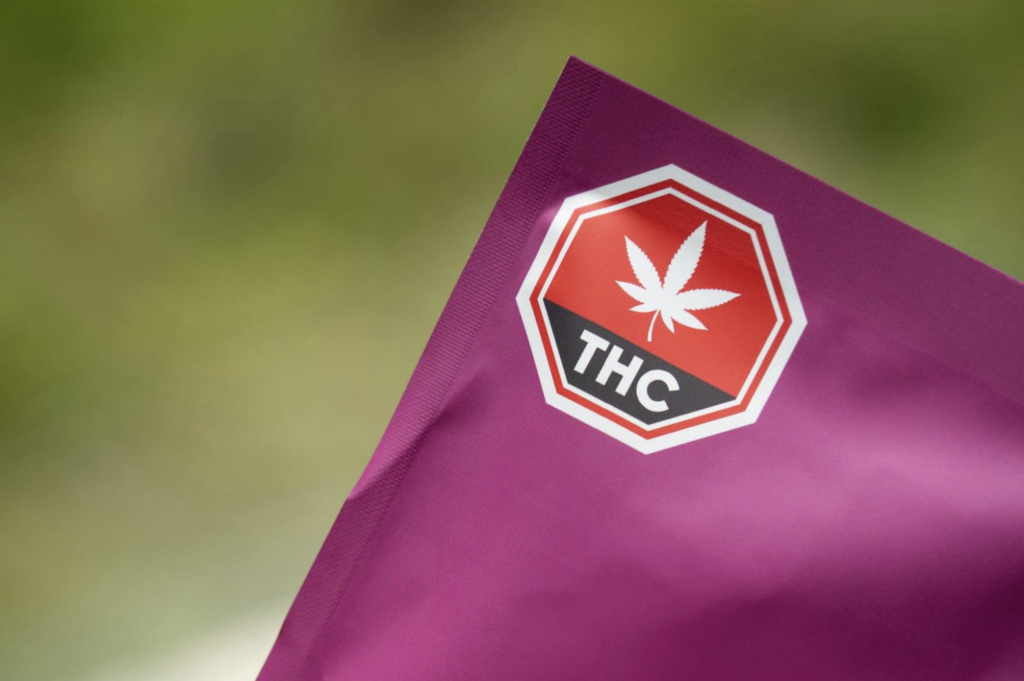
Bag with THC and cannabis leaf

How to Read a Certificate of Analysis (COA)

Here’s a crucial skill every cannabis consumer should develop: reading a Certificate of Analysis. Given that studies have documented frequent discrepancies in cannabinoid labeling, verifying your product’s actual chemistry is essential.

At Cannavibes, we provide COAs for all our products. Here’s what to look for:

Key Sections of a COA

Cannabinoid profile: Shows percentages of THC, CBD, CBN, CBG, and other cannabinoids. This is where you verify the ratio you’re seeking matches what’s actually in the product.

Terpene profile: Lists dominant terpenes and their concentrations. Look for the calming, sedating, or anti-inflammatory terpenes we’ve discussed throughout this guide.

Batch and test date: Ensures the analysis matches your specific product batch. Cannabis chemistry can degrade over time, so fresher test dates are preferable.

Contaminant testing: Confirms the product is free from pesticides, heavy metals, and microbials. This section is critical for safety and quality assurance.

When shopping with us in Elmwood Park, don’t hesitate to ask our team to walk you through a product’s COA. This transparency is part of our commitment to educated, empowered consumers across Bergen County.


Finding the Right Product at Cannavibes

Now that you understand chemovars, cannabinoid ratios, and terpene profiles, here’s how to put this knowledge into action at our Elmwood Park dispensary:

Step 1: Browse Our Menu by Effect

Our online menu organizes products by intended effects—Relax, Sleep, Relief, and Calm—making it easier to find what matches your needs. You can browse from home in Saddle Brook, Fair Lawn, or anywhere in Bergen County before visiting.

Step 2: Check Cannabinoid Ratios

Each product listing shows THC and CBD percentages. Use the guidelines in this article to identify products with the right ratio for your symptoms:

Anxiety: Look for 1:1 or CBD-dominant ratios

Sleep: Seek 1:1 to 2:1 THC:CBD combinations

Pain: Start with balanced 1:1 ratios and adjust based on your response

Step 3: Review Terpene Profiles

When you visit us, ask to see the terpene profile for any product you’re considering. Our budtenders can explain how specific terpenes align with your wellness goals and help you select products with the right aromatic and therapeutic profile.

Step 4: Consider Your Preferred Format

Match the product type to your lifestyle and needs:

Need fast relief? Vaporizers and flower provide rapid onset (5-15 minutes), ideal for acute symptom management.

Want long-lasting effects? Edibles, tinctures, and capsules are your best bet (4-8 hour duration), perfect for sustained support throughout the day or night.

Seeking localized relief? Topicals target specific areas without psychoactive effects, excellent for joint pain, muscle soreness, or skin conditions.

New to cannabis? Start with low-dose edibles or tinctures for controllable, predictable experiences that you can easily titrate.

Start Low, Go Slow: Dosing Guidelines for Safety and Success

Perhaps the most important advice we give customers at Cannavibes: start with a low dose and increase gradually. This approach is especially crucial for anxiety, where taking too much THC can actually worsen symptoms rather than provide relief.

Timing Matters for Edibles

Edibles have a delayed onset—typically 30-120 minutes—and effects can last 6-8 hours. Never take a second dose because “it’s not working yet.” This is the most common mistake leading to overconsumption and uncomfortable experiences. At Cannavibes, we educate every customer about proper edible timing to ensure positive outcomes.

Keep a Cannabis Journal

Track what works for you to refine your selections over time:

Product information: Name, brand, cannabinoid ratios, and dominant terpenes

Dosage: Exact amount consumed and consumption method

Timing: Time of day and whether taken with food

Effects: Both positive outcomes and any unwanted effects

Duration: How long relief lasted

This record helps you and our budtenders refine your selections over time, moving toward consistent relief tailored to your unique needs. 

Frequently Asked Questions About Cannabis for Anxiety, Sleep & Pain

What is the best strain for anxiety?

Rather than a specific strain name, look for CBD-dominant or 1:1 THC:CBD products with calming terpenes like linalool and beta-caryophyllene. Research suggests that balanced cannabinoid ratios help prevent the anxiety that high-THC products can sometimes trigger. At Cannavibes, we recommend starting with products that have at least equal amounts of CBD to THC, or even higher CBD ratios for newcomers.

What strain helps you sleep?

The best cannabis for sleep typically features a 1:1 or 2:1 THC:CBD ratio with sedating terpenes like myrcene and linalool. Clinical trials suggest that THC+CBD combinations may improve sleep onset and quality more effectively than either cannabinoid alone. Look for indica-leaning chemovars or products specifically formulated for nighttime use, and take them 60-90 minutes before bedtime for optimal results.

What strain is best for chronic pain?

For chronic pain relief, balanced 1:1 THC:CBD products are most commonly reported as effective. The combination of THC’s potential analgesic properties and CBD’s anti-inflammatory effects may provide more comprehensive pain support than high-THC products alone. Look for products rich in beta-caryophyllene and myrcene terpenes. At Cannavibes, strains like Illicit Gardens’ GMO Cookies and Franken Pie are popular choices among customers seeking pain management support.

How much THC should I take for sleep?

For sleep, start with 2.5-5mg of THC combined with an equal amount of CBD, taken 60-90 minutes before bedtime. Experienced users may find 5-15mg THC effective, but higher doses aren’t necessarily better—excessive THC can actually disrupt sleep architecture. Always start low and increase gradually over several nights to find your optimal dose. Non-inhaled products like edibles, tinctures, and capsules provide the longest-lasting effects for uninterrupted sleep.

Come in, we're open sign on glass window
Your Cannabis Journey Starts Here in Elmwood Park

Your Cannabis Journey Starts Here in Elmwood Park

Understanding the best cannabis products for anxiety, sleep, and pain isn’t about memorizing strain names—it’s about learning to read chemical profiles, understanding how cannabinoid ratios may affect your body, and recognizing which terpenes support your wellness goals. At Cannavibes, we’re committed to providing the education, transparency, and product quality you need to make confident choices.

Whether you’re visiting us from Elmwood Park, Garfield, Paterson, or anywhere across Bergen County, you’ll find a welcoming team ready to guide you through our carefully curated selection. We carry a diverse range of products specifically chosen to support common wellness goals like anxiety management, sleep support, and pain relief—with verified COAs, balanced cannabinoid ratios, and beneficial terpene profiles.

Our extended hours mean you can stop by after work or on weekends, and our knowledgeable staff provides the same exceptional service whether you visit at 10 AM or 10 PM. We believe access to quality cannabis education and products shouldn’t be limited by your schedule.

Remember: the “best strain” for you is the one with the right chemical profile, delivered in the format that fits your lifestyle, at the dose that provides support without unwanted effects. It’s a personal journey, and we’re here to support you every step of the way.